QUESTION IMAGE
Question
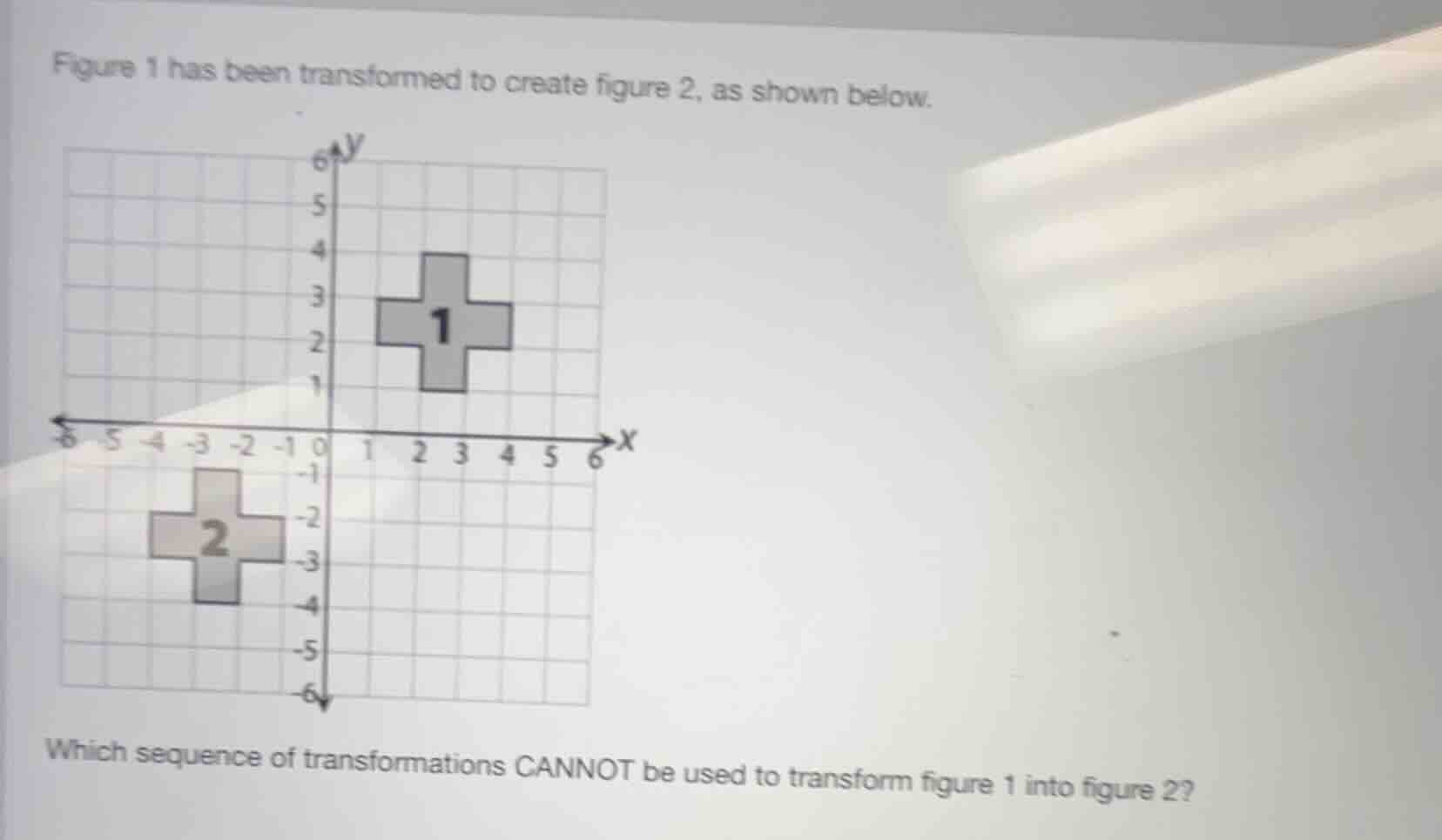
figure 1 has been transformed to create figure 2, as shown below.
which sequence of transformations cannot be used to transform figure 1 into figure 2?
To solve this, we analyze possible transformations (translation, rotation, reflection) between Figure 1 and Figure 2.
Step 1: Analyze Coordinates
- Figure 1 (cross) is in the first quadrant (e.g., center near (3, 3)).
- Figure 2 (cross) is in the third quadrant (e.g., center near (-3, -3)).
Step 2: Evaluate Transformations
- Rotation + Translation: A 180° rotation about the origin followed by translation (or vice versa) could map Figure 1 to Figure 2, as 180° rotation swaps (x, y) with (-x, -y), aligning with the quadrant change.
- Reflection + Translation: Reflecting over both the x - axis and y - axis (equivalent to 180° rotation) followed by translation could also work.
- Incorrect Sequence: If a transformation sequence does not account for the 180° - like symmetry (e.g., a 90° rotation without proper translation, or a reflection that doesn’t invert both x and y), it would fail. For example, a 90° clockwise rotation would change the orientation (the cross’s arms would point in different directions) and simple translation wouldn’t fix the quadrant mismatch.
Since the problem asks for the sequence that CANNOT transform Figure 1 to Figure 2, we identify sequences that ignore the 180° - style symmetry (e.g., a 90° rotation with translation, or a reflection over only one axis with translation).
(Note: Without specific options, the key is recognizing the 180° - related symmetry. A common incorrect sequence is a 90° rotation (instead of 180°) combined with translation, as it changes the cross’s orientation irreconcilably.)
If options were given (e.g., A: 180° rotation + translation; B: 90° rotation + translation; C: Reflect over x - axis, reflect over y - axis + translation), the answer would be the one with a 90° rotation (like B), as 90° rotation distorts the cross’s shape/orientation relative to Figure 2.
Assuming a typical option set, the answer is a sequence with a 90° rotation (e.g., B. Rotate 90° clockwise about the origin and then translate, or similar, depending on exact options).
For example, if options are:
A. Rotate 180° about the origin and translate.
B. Rotate 90° clockwise about the origin and translate.
C. Reflect over x - axis, reflect over y - axis and translate.
The answer is B. Rotate 90° clockwise about the origin and translate (or equivalent incorrect sequence).

Snap & solve any problem in the app
Get step-by-step solutions on Sovi AI
Photo-based solutions with guided steps
Explore more problems and detailed explanations
To solve this, we analyze possible transformations (translation, rotation, reflection) between Figure 1 and Figure 2.
Step 1: Analyze Coordinates
- Figure 1 (cross) is in the first quadrant (e.g., center near (3, 3)).
- Figure 2 (cross) is in the third quadrant (e.g., center near (-3, -3)).
Step 2: Evaluate Transformations
- Rotation + Translation: A 180° rotation about the origin followed by translation (or vice versa) could map Figure 1 to Figure 2, as 180° rotation swaps (x, y) with (-x, -y), aligning with the quadrant change.
- Reflection + Translation: Reflecting over both the x - axis and y - axis (equivalent to 180° rotation) followed by translation could also work.
- Incorrect Sequence: If a transformation sequence does not account for the 180° - like symmetry (e.g., a 90° rotation without proper translation, or a reflection that doesn’t invert both x and y), it would fail. For example, a 90° clockwise rotation would change the orientation (the cross’s arms would point in different directions) and simple translation wouldn’t fix the quadrant mismatch.
Since the problem asks for the sequence that CANNOT transform Figure 1 to Figure 2, we identify sequences that ignore the 180° - style symmetry (e.g., a 90° rotation with translation, or a reflection over only one axis with translation).
(Note: Without specific options, the key is recognizing the 180° - related symmetry. A common incorrect sequence is a 90° rotation (instead of 180°) combined with translation, as it changes the cross’s orientation irreconcilably.)
If options were given (e.g., A: 180° rotation + translation; B: 90° rotation + translation; C: Reflect over x - axis, reflect over y - axis + translation), the answer would be the one with a 90° rotation (like B), as 90° rotation distorts the cross’s shape/orientation relative to Figure 2.
Assuming a typical option set, the answer is a sequence with a 90° rotation (e.g., B. Rotate 90° clockwise about the origin and then translate, or similar, depending on exact options).
For example, if options are:
A. Rotate 180° about the origin and translate.
B. Rotate 90° clockwise about the origin and translate.
C. Reflect over x - axis, reflect over y - axis and translate.
The answer is B. Rotate 90° clockwise about the origin and translate (or equivalent incorrect sequence).