QUESTION IMAGE
Question
hhmi biointeractive
lesson 4: why is there a higher frequency of sickle cell disease in some parts of the world?
sickle cell disease storyline
student handout
part 2: does the relationship between sickle cell disease and malaria occur in other parts of the world?
watch clip 4 and observe figure 2.
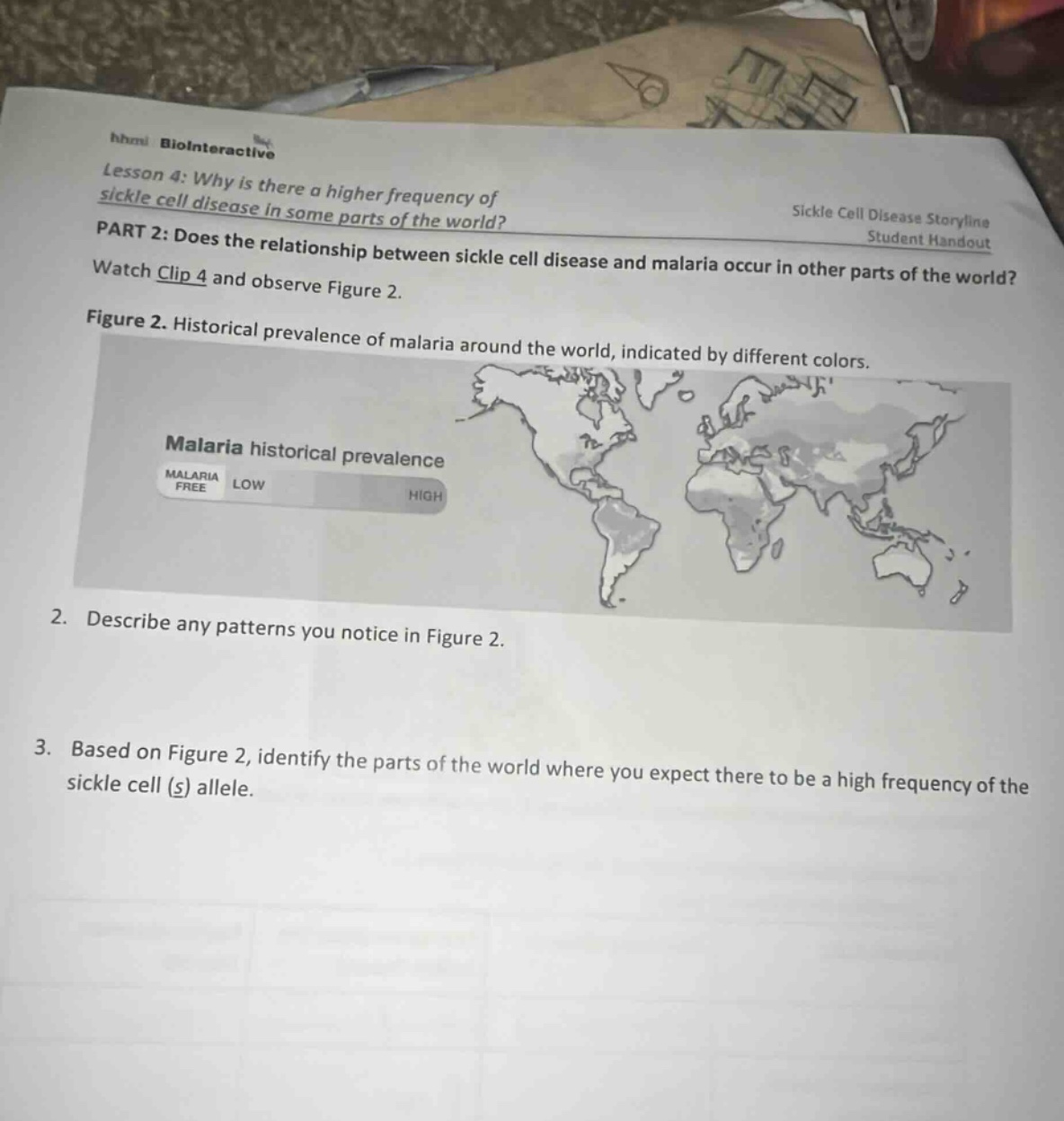
figure 2. historical prevalence of malaria around the world, indicated by different colors.
- describe any patterns you notice in figure 2.
- based on figure 2, identify the parts of the world where you expect there to be a high frequency of the sickle cell (s) allele.
For question 2: Observe the map's color gradient to spot malaria prevalence trends. High malaria prevalence is concentrated in tropical/subtropical regions, while temperate regions (like most of North America, Europe, southern South America, Australia) are malaria-free or have low prevalence.
For question 3: The sickle cell (s) allele has a high frequency in areas with high malaria prevalence, due to the heterozygote advantage (carriers of the allele have increased resistance to malaria).

Snap & solve any problem in the app
Get step-by-step solutions on Sovi AI
Photo-based solutions with guided steps
Explore more problems and detailed explanations
- High historical malaria prevalence is concentrated in tropical and subtropical regions, including most of sub-Saharan Africa, parts of South Asia, Southeast Asia, and northern South America. Temperate regions such as most of North America, Europe, southern South America, and Australia are mostly malaria-free or have low malaria prevalence.
- High frequency of the sickle cell (s) allele is expected in sub-Saharan Africa, parts of South Asia (like India), Southeast Asia, and northern South America (regions with high historical malaria prevalence shown in Figure 2).