QUESTION IMAGE
Question
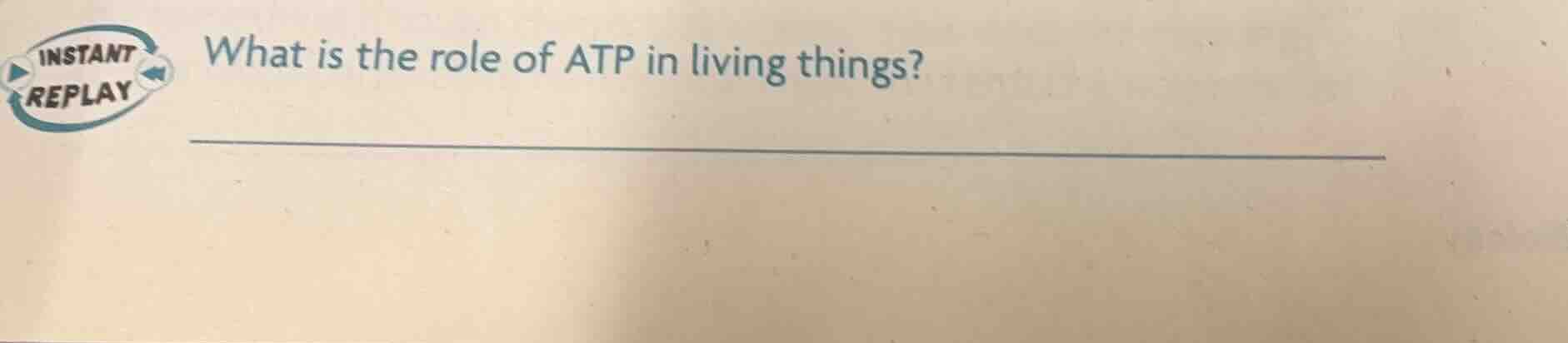
what is the role of atp in living things?
ATP (adenosine triphosphate) is the primary energy - carrying molecule in cells. It stores and transfers energy within cells to power various cellular processes such as muscle contraction, active transport across cell membranes, synthesis of macromolecules (like proteins, nucleic acids), and cellular respiration - related reactions. When a cell needs energy, ATP is hydrolyzed (the bond between the second and third phosphate groups is broken) to release energy, forming ADP (adenosine diphosphate) and an inorganic phosphate group.

Snap & solve any problem in the app
Get step-by-step solutions on Sovi AI
Photo-based solutions with guided steps
Explore more problems and detailed explanations
ATP (adenosine triphosphate) acts as the main energy - currency molecule in living things. It stores and transfers energy to power essential cellular processes such as muscle contraction, active transport, macromolecule synthesis, and reactions in cellular respiration. When energy is required, ATP is hydrolyzed (the high - energy phosphate bond is broken) to release energy, producing ADP and an inorganic phosphate.